About Me
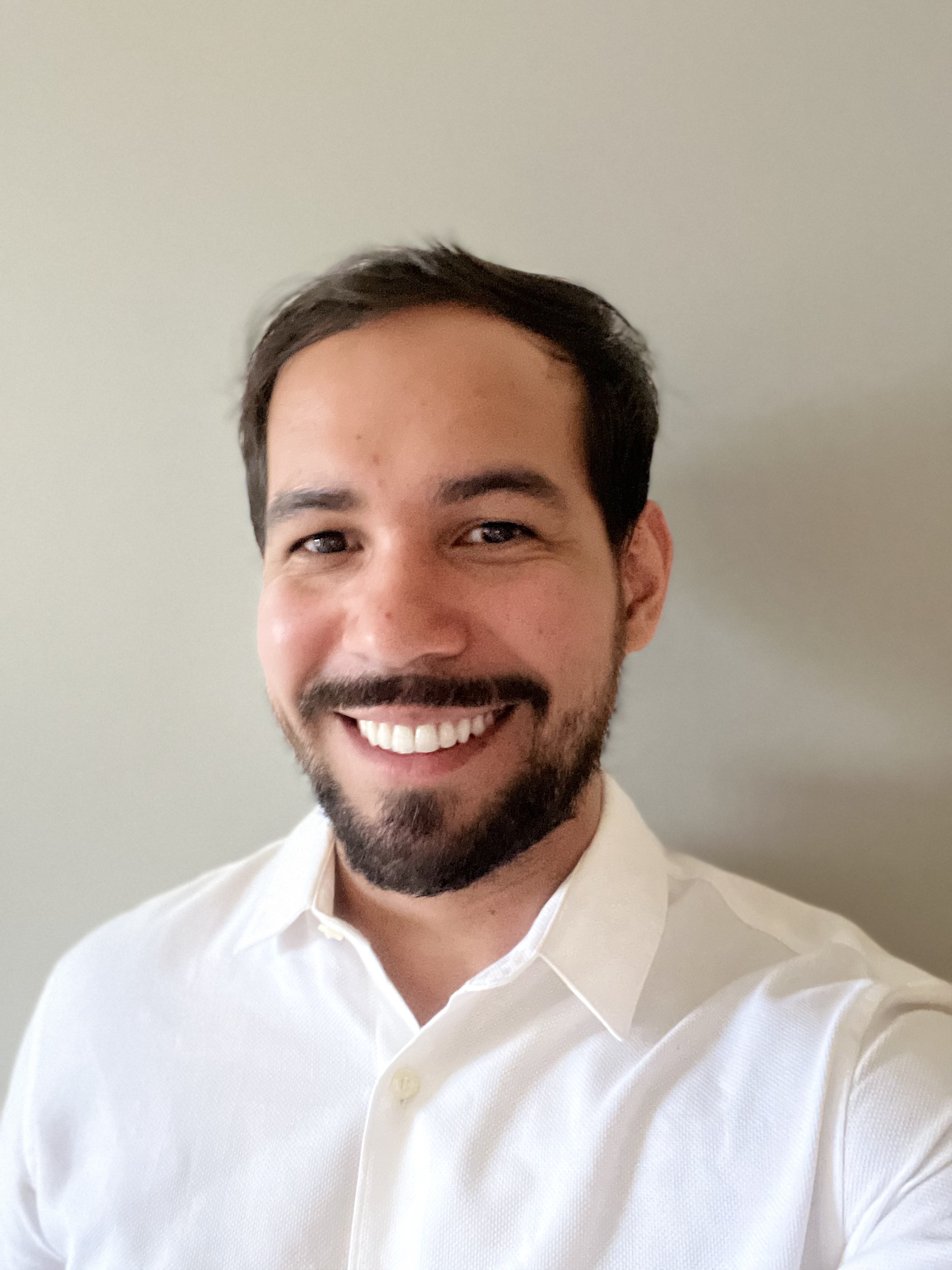
I'm Diego Andrés von Borries Flores. I was born in Bolivia, but I have a strong connection with two countries that I love, Mexico and Brazil,
the reason I'll explain you below.
I'm a biomedical engineer who got passionated about the field of statistics and its junction with computer science,
merging into a fascinating field that we know as data science. My journey took place back in 2015 when my path into the engineering world begun.
I was accepted to be part of the biomedical engineering program at Universidad Politécnica de Pachuca,
located in the city of Pachuca the capital of Hidalgo, one of the most relevant states from Mexico.
The reason why I chose biomedical engineering was because I considered; and still considering, biomedical engineering as a game changer,
a major that blends the field of engineering with the field of medicine, providing the professionals with a wide range of knowledge from multiple domains
expanding the opportinity to act in multiple areas.
Back in my years as an undergraduate student, from very early on my career I could experience firsthand the duties of a biomedical engineer by taking three different internships. The first internship consisted of
200 hrs of service supporting the maintenance division of a nephrology clinic called Centro Integral de Nefrología located in Pachuca, there I gained knowledge on the functionality of hemodialysis machine and the proper way to provide preventive and corrective maintenance.
The second internship was at Hospital de General de Zona Médico Familiar Nº1, a public hospital located also in Pachuca. It was designed to provide biomedical engineering majors
a broader experience as engineer by not just focusing on equipments of a single specific area, but to work in a wide variety of medical equipment going from a
simple vital signs monitor to an X-ray machine and supporting the tomography experts with the maintenance sessions. This was a longer internship of 600 hrs, enough time to gained
knowledge of the different devices as well as the multiple areas involving the hospital.
As a last internship, I conducted a project based on providing corrective maintenance services to seven obstetric ultrasound located at
Hospital General de Zona Nº47 from Mexico city. The project was developed as part of the Service-Learning capstone program, a culminating
undergraduate project required for the completion of the biomedical engineering degree. This type of graduation offers the students the possibility to apply their
academic knowledge to solve real-world problems and fulfill a specific need for a community partner. This was the longest service I offered as a biomedical
engineer providing corrective maintenance, the program requested to fulfill a 900 hrs of service in order to conclude the graduation. Once I fulfill the requirement
and noticed that my work was benefical for the community, I felt some relief knowing that my profession had the possibility to contribute
with the wealth of the society, but I also felt that dedicating my life to provide maintenance service wasn't enough in order to make a huge impact on society.
During this meditation moments I had after accomplishing with my biomedical degree, I realized that in order to contribute with the wealth of the people and with the medical
community I had to go deeper and gather more knowledge and expertise in different fields. I also noticed that during my formation I never felt that much excited while applying
my knowledge to provide maintenance services, but I had a lot of curiosity about software and the junction between software and hardware that allowed the development of robotic projects.
In my last year as a biomedical engineer major I took many disciplines related with programming languages, coding, and statistics. It was at this exact moment that my journey into
statistics and data science begun.
My Path into Data Science
After concluding my degree in 2019, I kept wondering how should I proceed in order to gain more knowledge. I was convinced that I must
pursue a master degree, but questions like what type of master program, in which field, and must importantly; where, kept
bumping into my head. In the meanwhile, I decided to take what Coursera called a 'Data Science Specialization' offered by IBM and
that was the turning point of my career. It was a specialization that didn't go deeper with the analysis and tools, but it made me realize that
data science was the right path to follow.
In 2022 I was accepted to be part of a research internship that took place at the biomechatronic lab from the polytechnique school at Universidade de São Paulo.
It was my first experience related with research and science. I supported a team of experts and doctoral students conduct a series of investigations
based on sleep deprivation, the research I joined was based on measuring the reaction time of patients with sleep deprivation in order to study how lack of sleep
potentially affect the motor responses of the patients. This research was not inmersed to deep into data science, but to me was fascinating have collaborated
in a high quality research. My dutties relied on supporting with the development of the user interface application used during the sessions for the patients in order
to accomplish their tasks, it was developed in C++, also I supperted the team with the collection of biological signals.
During my period as internship researcher for the biomechatronic lab, I was selected to be part of a prestigious extension group called
Skyrats , an extension group (mostly for undergrads), focused to research and develop autonomous intelligent drones. A fantastic extension group
where I learned a lot about hardware focused to enhence the performace of the drone, the mechanics involved behind these fascinating devices, as well as all the software
development process in order for the drone to accomplish different computer vision taks. I was accepted to be part of the software team, there I could improve my knowledge in
Python, C++, and learned about Robotic Operating System or ROS. Additionally, I had the chance participate together with members of the team in the ABII Challenge, a national technological competition which took place in Joinville - Santa Catarina,
where we compited on the drone category and got the first place. I'm still being a memeber of the group, a veteran one as the new ones call us. It's a fantastic group of talented
student involving multiples areas going from different engineering majors to major students outside engineering like business administration, industry design, marketing, etc. They accept anyone who has
the curiosity to learn about these fascinating devices and contribute with the team.
A year after (2023), I took my second research internship where I finally dived deeper into the world of statistics and data science. This internship
was conducted at the Signal Processing Lab from the electronic and computer department from Escuela de Engenharia de São Carlos. There it could work with
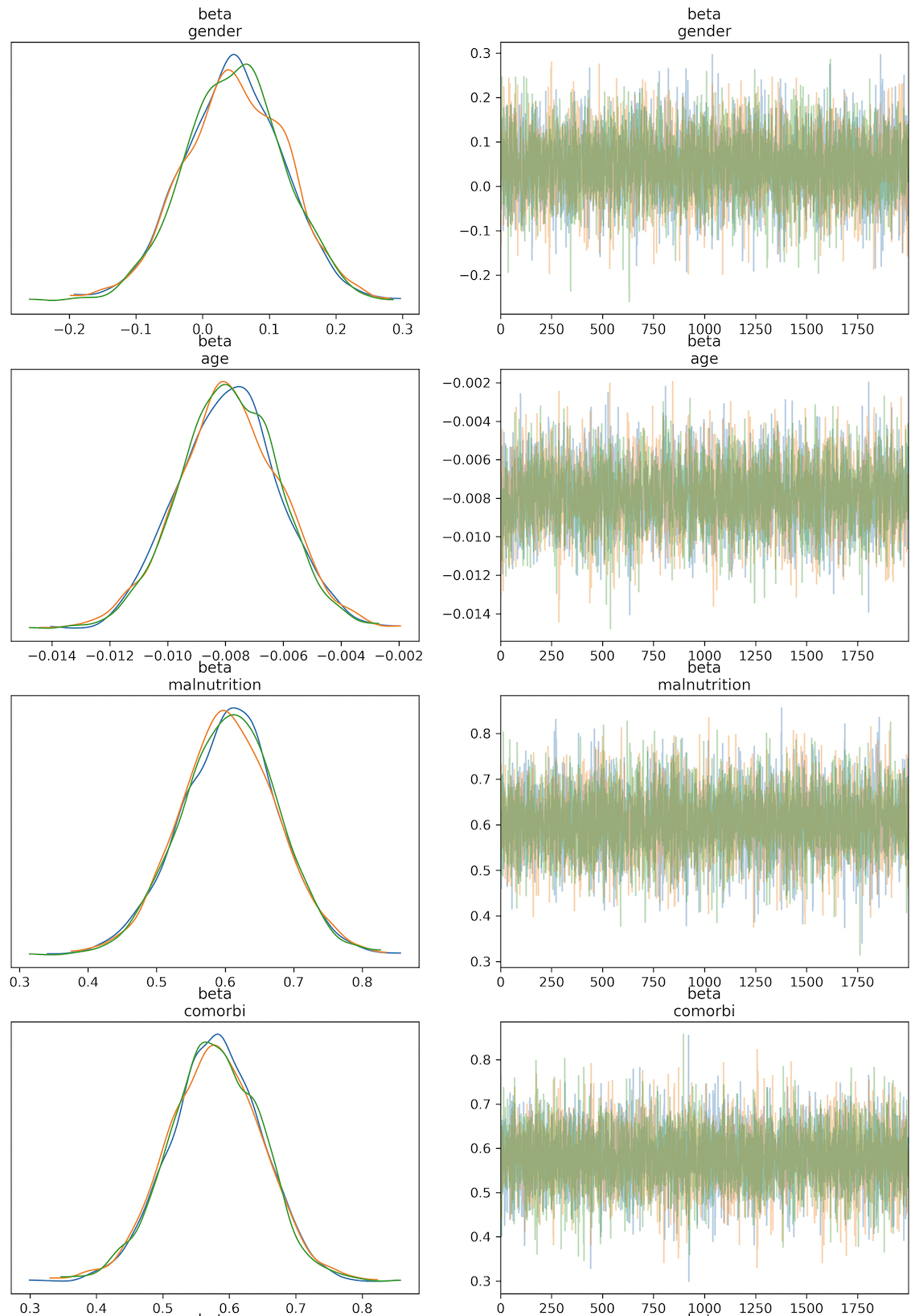
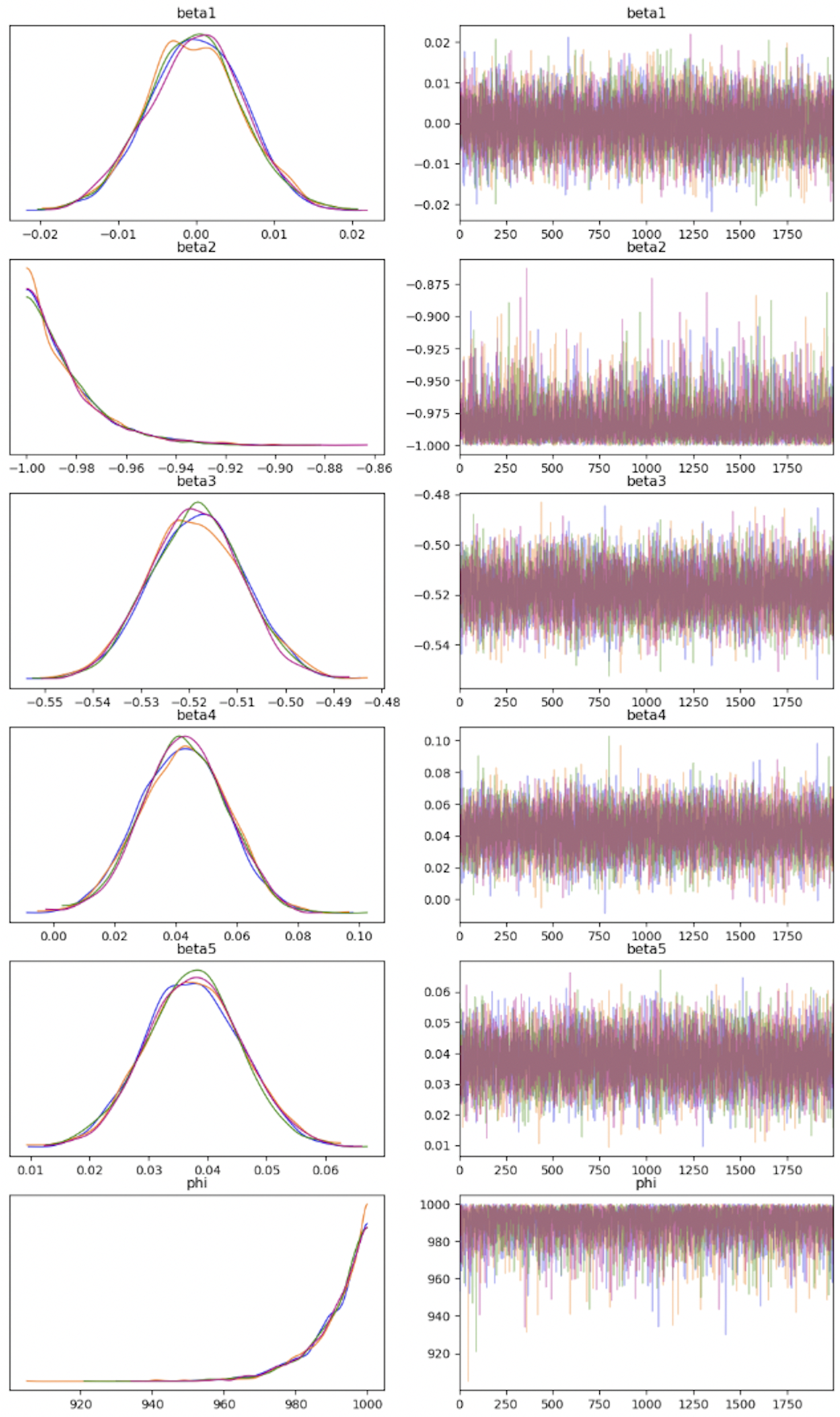
Bayesian inference and causal network related with the detection of the factors/causes that triggers the three different types of sleep apneas. It was a fantastic experience
where I could shared work with relevant researchers and professor from this prestigious institution.
Thanks to this internship and my contributions I was accepted to the master program in public health from the medical faculty Faculdade de Medicina de Ribeirão Preto - Universidade de São Paulo in 2025. Since then, I've been applying
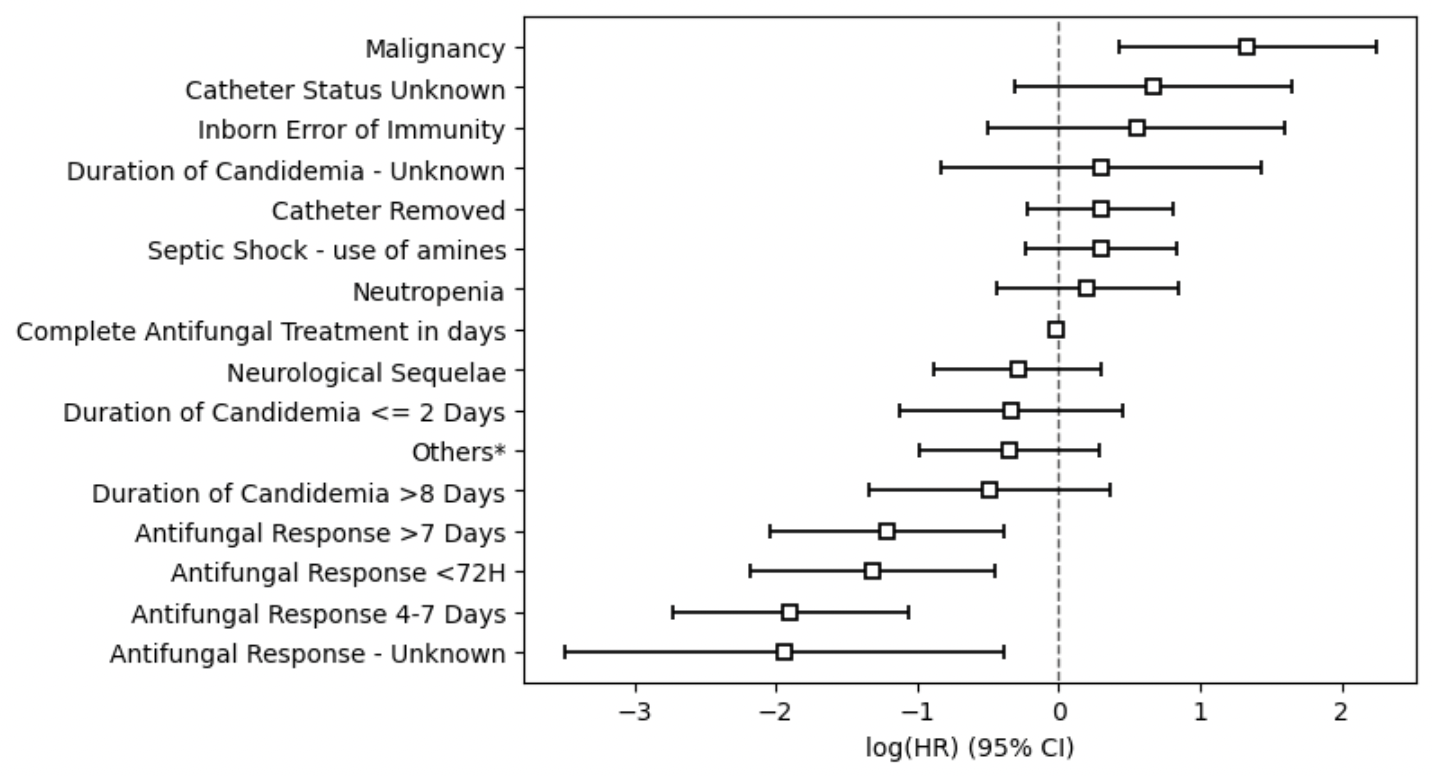
my knoweledge gathered thorugh the years to contribute with state of the art data analysis techniques to the study of cancer. After a challenging procedure
applying survival analysis to analyze cancer data provided by the National Institute of Cancer (INCA) from Brazil using semiparametric transformation methods with a Bayesian approach, on Agust 14th I presented my results
to a committe of respected professors as part of the Qualification Exam requested by the program, and as a result of the quality of my findings and the impact
of the research I was selected to continue my research through a direct-entry doctoral program. After all I've been through, this moment made me realize that I'm
in the right way to accomplish my goal on contributing with the society. I accepted the invitantion and right now I'm fulfilling all the requirements to become a
doctoral student.
This have been my journey until the day I wrote this, a crazy and internation journey that motivates me to keep growing as a professional and as a human being.
Thanks for taking the time to read all my professional path that thrills me any time I have the chance to share it with someone!
Read More